The Red Tag Is Not the Spec: Judging Patio Door Deals in November 2026

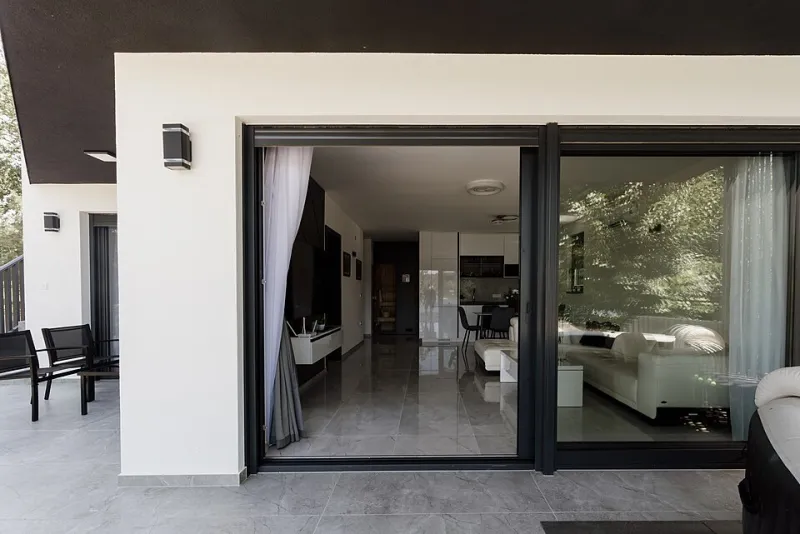
Photo by Photo by Viktor Forgacs on Unsplash on Unsplash
Every November, the patio door market turns into a fairly noisy circus. Inboxes fill with red banners, showroom windows get covered in percentage signs, and someone always claims that this is the last weekend to save £2,000 on a sliding door. Some of those offers are genuine. Many are simply a normal price wearing a party hat.
That matters because a patio door is not an impulse buy. It is a fitted piece of building work, often the main route to the garden, and it has to cope with British rain, wind and the occasional wasp convention. A discount is only useful if the door, the fitting and the aftercare still stack up. So here is a practical, slightly sceptical way to read the November sales in 2026.
Start with the specification, not the sticker
The first question is not 'how much off?' It is 'what exactly is included?' Ask for a written specification before you compare a single price. You want the frame material and system, the colour and finish, the glazing make-up, the whole-door U-value rather than a centre-pane figure, the security hardware, the threshold detail and what the installer will do about making good inside and out.
A like-for-like comparison usually includes removal of the old door, disposal, any necessary alterations to the opening, plastering or trim, and the warranty. If one quote leaves out the making good and another includes it, the cheaper number may not be cheaper at all. The same goes for glazing. A deal that quietly swaps a warm-edge spacer or laminated security glass for a basic unit is not a bargain; it is a different product.
Get at least three quotes using the same specification. If a salesperson cannot put the spec in writing, that is useful information in itself.
The crossed-out price deserves a hard stare
UK pricing rules are meant to stop misleading 'was' prices, but the home-improvement market still has a habit of inventing a dramatic original price and then discounting from it. A crossed-out figure should reflect a price the company genuinely charged recently, not a number created for the brochure. Ask when that price was last available and for how long. A vague answer is a warning sign.
Be equally wary of the countdown timer. 'Today only' is a sales technique, not a structural specification. A credible installer can normally give you a written quote that holds for a short period while you check the details. If the offer evaporates the moment you ask for a day to think, it was probably never about the glass.
Certification is more than a logo on a leaflet
Replacement doors in the UK need to meet building regulations, and reputable installers usually work through a competent person scheme such as FENSA or CERTASS, or via local authority building control. Ask which route applies and ask for the certificate after installation. For security, look for PAS 24 performance on the door set, not just a lock with a reassuring name. If your insurer has specific requirements, check them before you order, especially for doors at the back of the house.
None of this is glamorous. It is also the difference between a door that passes inspection and a door that becomes a recurring argument with a call centre.
Deposits and guarantees need paperwork
A big deposit is normal in this trade, but it should come with protection. Deposit protection is not automatic for home improvements, so ask whether your money is held in a protected scheme or backed by insurance, and get the terms in writing. Paying a large sum by bank transfer to a company you have not checked is not a Black Friday saving; it is a gamble.
Read the guarantee carefully too. 'Ten-year guarantee' can mean ten years on the frame and two on the hardware, with labour excluded. Ask what is covered, who honours it if the installer stops trading, and whether it can be transferred if you sell the house. An insurance-backed guarantee is worth more than a shiny certificate with no backup.
The fitting is part of the deal
A patio door is only as good as its installation. Ask who will actually fit it: directly employed installers, regular subcontractors or whoever is available that week. Ask how they will protect the room, what happens if the opening is out of square, and how long the work is expected to take. A cheap quote that turns into a fortnight of dust sheets and unanswered calls is not a discount.
Also check lead times in writing. November promotions often come with vague delivery dates, and a fake urgency around 'securing your slot' can push you into ordering before you have compared the details. A realistic installer will give you an installation window and explain what happens if it slips.
A short November 2026 checklist
Before you sign anything, make sure you have:
- One written specification you can compare across three quotes.
- A clear breakdown of door, glazing, installation, disposal and making good.
- Evidence that any 'was' price was genuinely used.
- Certification route and security performance in writing.
- Deposit protection and guarantee terms you understand.
- A realistic lead time and a named aftercare contact.
Black Friday can be a perfectly good time to buy a patio door. The trick is to treat the red tag as the start of the conversation, not the end of it. The best deal is not the biggest percentage on the leaflet. It is the door that still looks sensible when the banners come down in December.