Drawing the Line at the Glass: Patio Door Privacy for Overlooked UK Gardens
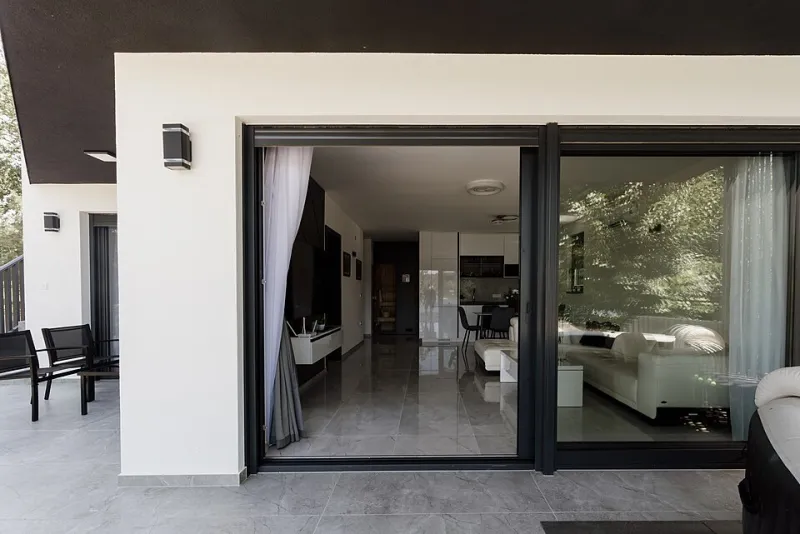
Photo: Shixart1985, CC BY 2.0, via Wikimedia Commons
There is a particular kind of British discomfort that arrives when you open the patio doors, step outside in your dressing gown, and realise the neighbour is at their kitchen window with a clear view of your compost heap and your pyjamas. Overlooking is not unusual in the UK. Tight plots, Victorian terraces, shared alleys and newer estates with narrow gaps between homes all create gardens that are more visible than the estate agent’s photos suggested. The good news is that privacy at the patio door is rarely solved by one heroic purchase. It is usually solved by a small, sensible layering of glass, fabric, plants and positioning.
Start with a time-of-day audit, not a shopping list
Before you spend anything, watch the garden. Privacy problems are rarely constant. A neighbour’s upstairs window might stare straight into your living room at 7am, but be irrelevant by midday. A shared alley can feel exposed on bin day and perfectly private on a Sunday afternoon. Stand inside at the door and note what you can see at breakfast, mid-afternoon and after dark. Then repeat the exercise from the garden looking in. This tells you whether the issue is sightline, glare, night-time visibility or all three.
Also note the direction your doors face. South-facing glass can be lovely and bright, but it can also turn into a mirror at certain times, which helps privacy during the day and does very little after sunset. North-facing doors may feel more exposed because there is less reflection. A quick audit stops you buying heavy blinds for a problem that only exists for forty minutes each morning.
Privacy glazing: the quiet, built-in option
If you are ordering new patio doors, glazing is the cleanest place to solve overlooking. Privacy glass is not one product. It ranges from subtle satin finishes that blur shapes to more heavily textured patterns that obscure almost everything while still letting light through. For patio doors, the usual advice is to keep the main viewing area clearer and use privacy glass in a panel or band where the sightline is worst. That might be the lower half if the issue is a neighbour’s conservatory, or one side panel if a shared alley runs along the boundary.
Reflective coatings are another option, but treat them with caution. They work best when the brighter side is outside, which is often the case during the day. At night, when your rooms are lit and the garden is dark, the effect reverses and the glass can become quite transparent. Reflective glass is a useful daylight tool, not a full-time privacy curtain. Switchable or electrically activated glass exists, but it is usually a premium choice and better suited to a specific problem panel than a whole wall of doors.
Films and applied treatments: cheap, quick, imperfect
Privacy film is the DIY route, and it has a place. Frosted, satin or patterned films can take the edge off a overlooked panel for very little money. The catch is durability and appearance. Cheap films can bubble, peel at the edges or look slightly cloudy in a way that undermines a nice door. Professionally applied film lasts longer, but it still needs careful cleaning and should not be used on glass that gets very hot unless the supplier confirms it is suitable. If you rent, film can be a practical short-term fix, but check your tenancy agreement before sticking anything to the glass.
One-way films deserve a blunt warning: they are not magic. In daylight, with the garden brighter than the room, they can work. At night, with your lights on, they behave like ordinary glass. If evening privacy is the main issue, film alone will disappoint.
Blinds at the door: choose for the door, not the catalogue
Blinds are the most flexible answer, but patio doors punish the wrong choice. Long drop blinds can swing and tangle when a sliding door moves. Vertical blinds are the traditional solution and still work well for wide sliders, though cheap ones can rattle. Perfect-fit or integral blinds sit inside the glazing and avoid dust on the slats, which is a real advantage in a kitchen or garden room. Roller blinds are neat but block the whole view when down, so they suit doors where you want full privacy at night rather than a subtle daytime filter.
Think about operation as well as looks. If the door is the main route to the garden, a blind that hangs loose at the bottom will be caught, dragged and eventually resented. Fit blinds that clear the floor and can be pulled up cleanly during the day. In a south-facing room, a light linen-weave blind gives a softer daytime screen than a solid blackout fabric, while still helping at night.
Planting that earns its space
Plants are the most forgiving privacy screen because they soften the view without making the room feel shut in. In a small UK garden, a tall hedge is not always realistic, but pleached trees, bamboo in a root-barrier planter, trellis-grown climbers and slim evergreen shrubs can all interrupt a sightline. The trick is to place them where they block the specific view, not where they simply look nice. A row of pots along a boundary can raise the effective height of a fence without a planning conversation. A climbing plant on a slim trellis can screen a neighbour’s upstairs window while leaving the lower garden open.
Remember the seasons. Deciduous climbers give summer privacy and winter openness, which suits some households and frustrates others. Evergreens are more reliable but can feel heavy. Also think about maintenance. A hedge that needs trimming from a ladder is a different commitment from a planter that needs a yearly cut. Do not plant a future argument with your neighbour or your own knees.
Door position and garden layout
If you are still at design stage, the best privacy move may be to change where the doors sit rather than what covers them. Offsetting the doors from the boundary, adding a short return wall, or using a projecting garden room or pergola to create a screened transition can break a direct line of sight. A small courtyard layout with planting at the edges often feels more private than a wide open lawn overlooked from three sides. Even a simple outdoor screen or slatted fence panel placed a metre or two from the glass can take the pressure off the door itself.
For existing doors, furniture placement matters more than people expect. A sofa or dining table set slightly to one side gives you a reason to sit away from the most exposed sightline. A tall plant inside the room can also blur the view in, though it will reduce daylight. Treat it as a supplement, not a solution.
The daylight balance
The goal is not to black out the garden. It is to make the room feel comfortable without turning it into a cave. Use the heaviest treatment where the overlooking is worst, and keep the rest of the glass as clear as possible. A single frosted panel, a slim integral blind and a well-placed tree can do more than a full wall of opaque film. If you are buying new doors, ask the supplier to show you samples of privacy glass in daylight and against a dark background. The difference matters, and it is easier to judge before the doors are made.
Privacy is personal. Some people are unbothered by a neighbour’s upstairs window; others want to drink coffee without making eye contact through double glazing. The right answer is the one that lets you use the doors more often, not the one that looks best in a brochure. Start with the audit, layer the solutions, and keep enough glass clear to remember why you wanted patio doors in the first place.