Daylight on Borrowed Time: Rethinking a Dim UK Living Room Before Winter Takes Hold
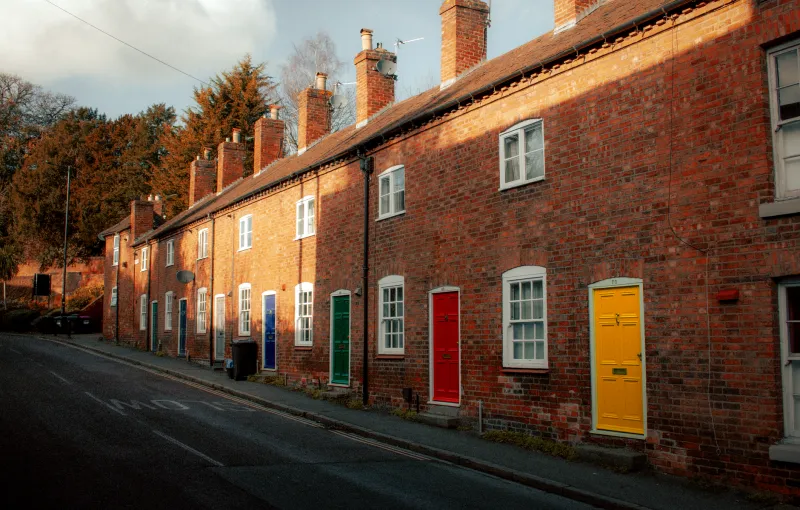
Photo: Dave Roberts , CC BY-SA 2.0, via Wikimedia Commons
There is a particular moment in a UK winter when a living room gives up. The clock says 3pm, the sky outside is a flat pewter colour, and someone reaches for the lamp switch without really thinking about it. By four, the room is lit like a cave and the patio doors have become a dark rectangle rather than an opening to anything.
If that sounds familiar, the answer is not always a bigger door or a brighter bulb. Sometimes it is a better conversation between the door, the room and the garden beyond it. This is a practical look at how to rescue a gloomy winter living room without pretending that a British December is the Algarve.
Why the gloom arrives so early
UK winter light is not just weaker; it arrives at a bad angle. In December, the sun sits low in the sky, often only around 10 to 15 degrees above the horizon at midday in southern parts of the country, and lower still further north. That low angle creates long shadows, raking light across floors, and a sharp contrast between the bright patch near the glass and the dim corners further in.
Orientation matters enormously. A south-facing living room may get useful direct light for a few hours, but it can also suffer glare and solar gain when the low sun pours in. A north-facing room gets mostly diffuse sky light, which is softer but far less generous. East-facing rooms lose the plot after lunch. West-facing rooms can be dark all morning and then suddenly bright and awkward in the afternoon.
The building itself often makes things worse. A neighbouring terrace, a garden fence, a mature hedge, a rear extension or even a conservatory can block the low winter sun that would otherwise reach the glass. Inside, deep reveals, heavy curtains, dark furniture and a sofa parked in front of the doors all absorb or obstruct what little light arrives. The result is a room that feels darker than the weather outside really justifies.
Read your room before you shop
Before you look at door catalogues, spend a week measuring the problem. You do not need professional equipment. A phone camera and a free light meter app will tell you more than a showroom ever can.
Pick three days with different weather: one clear, one grey, one wet and miserable. Take readings at 9am, midday and 3pm. Point the phone or meter at the same spot each time, perhaps the middle of the sofa or the centre of the room at table height. Note the lux reading and take a photo without changing the exposure. The pictures will show you where the light actually lands and where the room falls away into shadow.
Also note what sits outside the glass. Is there a fence panel that blocks the low sun? Does a neighbour's extension clip the afternoon light? Are the doors shaded by an overhang or a deep reveal? These are the things a patio door specification has to work with, not against.
The orientation conversation
If your living room faces south, the winter sun can be a genuine asset, but it needs managing. Low sun can create glare on a television or a laptop screen, and it can overheat a small room even in February. Solar control glass, a slight tint or an external shading option may be worth discussing, but be careful not to kill the daylight you are trying to keep. The goal is comfortable light, not a permanent pair of sunglasses.
North-facing rooms need a different approach. There is little direct sun to chase, so the priority is maximising diffuse sky light. That means keeping frames slim, avoiding heavy glazing bars, choosing glass with good light transmission and keeping the area around the door as clear as possible. Pale wall colours and a well-placed mirror will do more than a dark accent wall ever will.
East and west rooms are the awkward middle children. East-facing rooms are lovely at breakfast and gloomy by teatime. West-facing rooms can be dim until the low afternoon sun arrives, often right when you are trying to watch television. In both cases, door position matters. A door set towards the darker end of the room can pull light deeper into the plan; a door hidden behind a chimney breast or a return wall will struggle to do much at all.
Frame, glass and the details that eat light
Frame choice is not just a colour decision. Bulkier profiles, deep sightlines and chunky corner joints all reduce the amount of visible glass. If daylight is the priority, ask about slimline aluminium frames or a profile with a narrower central mullion. A sliding door often gives a wider uninterrupted glass area than a bifold with multiple panels and frames stacked across the opening.
Glass specification matters too. Most standard double or triple glazing has a slight tint, and some solar control coatings reduce daylight transmission more than homeowners expect. Ask for the visible light transmittance figure if you are comparing products. Low-iron glass can help where clarity matters, though it is not a magic fix for a room with a fence outside the window. Avoid heavy decorative films, dense leading patterns and unnecessary glazing bars if your main complaint is gloom.
Do not forget the threshold and the reveal. A flush or low-threshold door can makethe opening feel wider and let more light spill across the floor, but the detail has to be right for weatherproofing. A deep internal reveal can act like a tunnel, shading the glass from inside. Sometimes a simple plasterboard tweak or a lighter reveal finish makes a surprising difference.
The furniture layout that stops fighting the door
A patio door cannot brighten a room if a tall sofa is parked in front of it. Treat the glass as a light source and keep the sightline clear. Low furniture, open-backed chairs and glass or pale timber tables all help light travel further into the room. If you need a sofa facing the television, consider pulling it forward slightly or choosing a lower back so the top of the door is not blocked.
Curtains are another common culprit. Heavy curtains stacked across the glass during the day can swallow a huge amount of light. If privacy is not an issue, leave them open until dusk. If you need something softer, consider sheer voiles or a slim curtain track that lets the curtains stack back tightly against the wall rather than across the frame.
Mirrors are cheap daylight multipliers. Place one on a side wall to bounce light deeper into the room, not directly opposite the door where it can create glare. Pale ceilings, light-coloured floors and a matt white or off-white wall finish will all help. None of this replaces a well-specified door, but it stops the room from wasting the light it already gets.
A simple before-and-after check
Once the new door is in, repeat the same readings at the same times of day. Do not expect a dark north-facing room to become a sunroom in January. What you are looking for is a measurable improvement in the middle of the room and a less abrupt fall-off towards the back wall. A before-and-after photo taken at 3pm on a grey day is often more honest than any showroom demonstration.
If the numbers have barely moved, check the obvious things first: curtains, furniture, a new fence outside, or a blind that has been left down. Then talk to your installer about whether the glass specification or frame profile is doing what you expected.
What to ask before you commit
When you are discussing patio doors for a dim living room, ask about orientation, visible light transmittance, solar control, frame sightlines and the position of the opening. A good installer will want to know which way the room faces and what sits outside the glass. If they only talk about U-values and colour swatches, push them on daylight.
Winter will still arrive every year. But a living room does not have to surrender at 3pm. With the right door, a sensible layout and a realistic understanding of what British light can do, you can keep the room usable for longer, brighter afternoons.