Glass Width, Measured by Winter: A Low-Sun Method for Sizing Patio Doors
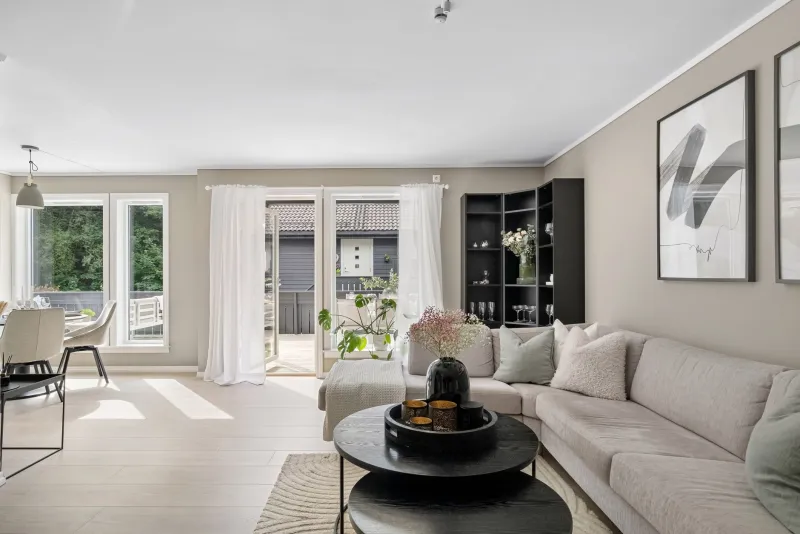
Patio door shopping has a timing problem. The door you fall for in a showroom, or on a sunny weekend, is often judged in the best light of the year. By the time November arrives, the sun is low, the garden is quieter and the room has to work harder. If you are choosing a sliding or bifold door for a UK home, the width of the glass and the position of the opening deserve a winter test, not just a summer glance.
By November 2026, many homeowners will already be living with the consequences of a door chosen in June. This guide is about avoiding that. It is not a technical daylight calculation. It is a practical low-sun walkthrough you can do at home, with a notebook, a phone and a critical eye.
Why a November afternoon is the honest test
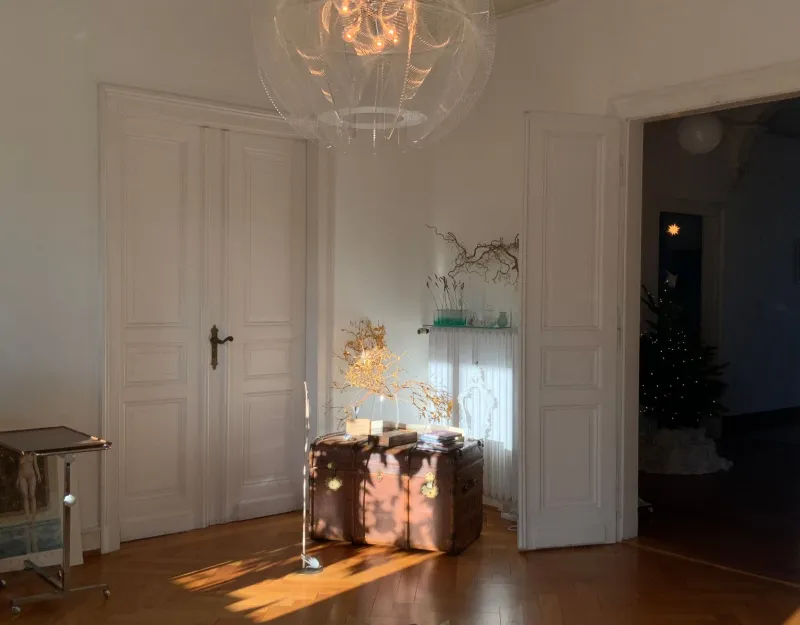
On a clear day in November, the sun sits low in the sky. Around 2.30pm to 3.30pm, light comes in almost horizontally, reaches deep into the room and casts long shadows across the floor. That is useful. It shows where light will land when you most need it, and where a wide span of glass might create glare, fade furniture or leave a cold zone near the sofa.
It also reveals the parts of the room that stay dim no matter how much glass you add. Usually that is because a wall, fence, extension or neighbouring building blocks the low arc of the sun. A summer visit will not show you this. At midday in June, the sun is high and the room can look brighter than it will for most of the year. The 3pm November test is closer to the truth.
Run the survey without turning it into a science project
Pick a clear or mostly clear afternoon. You do not need a sun-path app, though one can help if you are choosing between two different walls. At 2.30pm, stand in the room and draw a simple plan on paper. Mark the current windows and doors. Then mark where the sun patch lands on the floor with removable tape, and write the time next to it. Take a photo from sitting height, not just standing at the glass.
Repeat at 3.30pm. The patch will have moved, and that movement matters. A door that catches the sun at 3pm may throw it straight across a television, a dining table or a favourite chair. If the room is already empty, place boxes or chairs where the furniture will go. If you are replacing existing doors, do the survey before they come out.
Also note what you can see, not just what you can light. The best patio door width often frames a garden focal point: a tree, a border, a shed, a view between fences. If the wide part of the opening points at a blank fence panel or a neighbour's window, more glass may not make the room feel better.
Width is about usable light, not maximum glass
Once you know where the low sun lands, you can judge width more sensibly. A wider opening is not automatically brighter. It can add glass where the view is poor, create a larger area to heat and push furniture into awkward positions. A slightly narrower door in the right place can deliver more useful daylight than a very wide door in the wrong one.
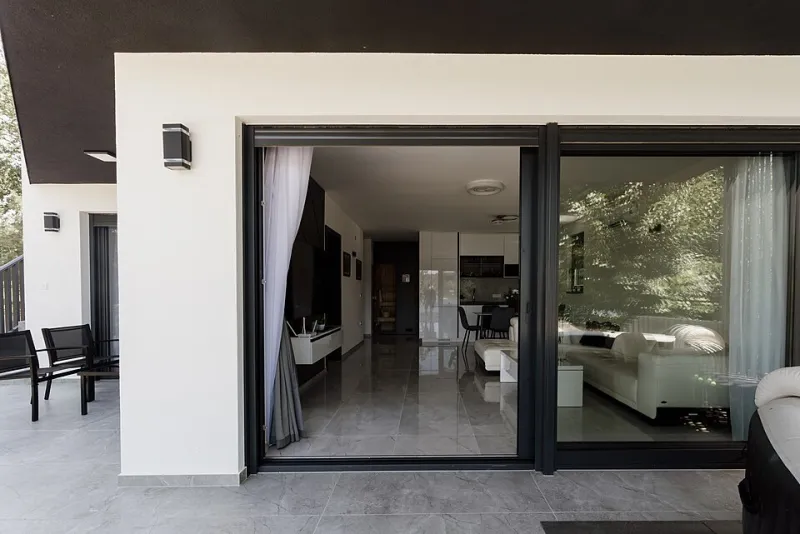
Sliding doors need a parking zone for the moving panel. Bifolds need stacking space at one or both ends. French doors need swing clearance. All of that eats into the room, the wall or the garden side of the opening. Every metre of glass should have a job: view, light, access or ventilation. If a metre is only there to make the room feel bigger on paper, question it.
Think about how the door will be used in winter. If you mainly want light rather than garden access, a narrower opening with a fixed panel may work better than a full-width set of doors that you rarely open. If the door is the main route to the garden for children, dogs or muddy boots, access and threshold detail matter more than another 400mm of glass.
Where the opening sits can matter more than the size
Two doors of the same width can feel completely different depending on whether the opening sits left, right or centre. Put the opening where the winter sun actually arrives. Avoid placing the main opening behind a sofa, where a dining table will sit, or where curtains and blinds will constantly fight the frame.
Consider the garden sightline too. A centred opening may look neat from the house, but an offset opening can frame a better view and leave a useful stretch of wall for a radiator, a bookshelf or a piece of art. If you want a flush threshold, the position affects drainage and paving falls, so raise it with your installer early.
Room-by-room low-sun checklist
- Living room: check where the 3pm sun lands on the sofa and television. Watch for glare and for a cold draught zone near the glass. Note radiator and curtain positions.
- Kitchen-diner: watch the dining table and worktops. Low sun can be lovely at lunch but awkward at 3pm. Think about where people sit and where food prep happens.
- Garden room: check for overheating as well as light. A wide west or south-west facing door can be glorious in winter and too hot in summer without shading.
- Snug or study: look at screen glare and fading risk for books, artwork and furniture. A smaller, well-placed opening may be kinder than a wall of glass.
- Hallway or landing: if the door is visible from inside, check whether the low sun creates a blinding patch at the foot of the stairs or on a mirror.
For each room, write down four things: where the 3pm sun lands, where you sit, what you want to see, and what you want to hide. That short list will tell you more than a showroom full of perfect lighting.
Hand the installer more than a width
Installers measure the structural opening, not your mood board. Give them your shadow photos with the times, a simple plan showing furniture, the garden focal point, any plans for decking or planting, and whether you want a flush threshold. Ask about lintels, corner returns, drainage, threshold height, access for panels and whether the door can be delivered through the house.
Also ask how the frame will sit with radiators, sockets and curtains. Good installers will tell you if a very wide span needs a different structural approach. Better to hear that before you order than on installation day.
The final check: go back at 3pm
If you can, return to the showroom or look at the actual opening at 3pm on both a bright day and a dull day. A door that feels glorious in June can feel like a dark wall by November if the opening faces the wrong way or the glass is in the wrong place. The aim is not the biggest possible door. It is the right amount of glass, in the right spot, for the way you live in winter as well as summer.
Your future self, sitting with a cup of tea at 3pm in January, will thank you for doing the shadow test now.