The View Stays, the Thuds Stop: A Bird-Smart Plan for Big Patio Glass
Photo: Metropolitan Transportation Authority of the State of New York from United States of America, CC BY 2.0, via Wikimedia Commons
There is a particular kind of thud that makes a whole room go quiet. If you have large patio doors, especially ones facing a garden, hedge or bird feeder, you may have heard it. The glass is doing its job — letting in light, framing the view and making the space feel bigger — but to a bird, that same pane can look like a clear flight path or a reflection of the sky.
The good news is that bird-safe glazing does not have to mean frosted glass, heavy net curtains or giving up the bright, open feel that made you want patio doors in the first place. With a few well-chosen external treatments and some sensible garden planning, you can keep the outlook clear and make the glass far more visible to birds.
Why a clean pane looks like open sky
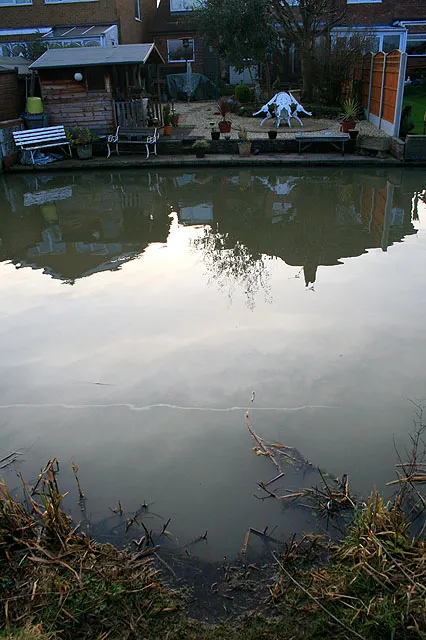
Birds do not read glass the way we do. They see reflections of trees, clouds and sky, or they see straight through a corner window to the garden beyond. In low autumn and winter sun, that effect gets stronger. A door that looks slightly reflective to us can look like a continuation of the garden to a blackbird, blue tit or wood pigeon.
The risk goes up when a feeder hangs close to the glass, when a window is on a flight path between a hedge and a tree, or when a new patio door replaces an older, more visibly framed opening. Large, uninterrupted panes are lovely for views, but they offer fewer visual cues. That is why the most effective fixes usually sit on the outside of the glass, where the bird is approaching from.
Think like a bird, not like a decorator
A single sticker in the middle of a patio door rarely solves the problem. Birds may simply fly around it and hit the next clear patch. What works better is a pattern that breaks up the whole pane into smaller visual sections.
As a rule of thumb, aim for markers spaced no more than a hand’s width apart across the glass, with the pattern covering the full width and height of the door rather than just a central band. The markers need to be on the external face. Inside stickers are almost useless for stopping strikes because the bird is reacting to the outside reflection.
Subtle does not mean invisible. White dots, thin horizontal lines, leaf motifs or UV-reflective decals can all work. Many UV patterns are barely noticeable to people but show up to birds. The key is consistency: a proper grid or repeated motif, not one lonely decal that looks like a design accident.
Decals, films and screens that keep the outlook open
For existing doors, external decals are the simplest retrofit. Look for bird-friendly window stickers designed for outdoor use, and clean the glass properly before applying them. Avoid placing them only at the bottom of the door — birds can hit anywhere on a large pane.
Window film is another option. Some bird-safe films use fine patterns or UV markings that are subtle from inside but break up reflections outside. If you are considering film, check that it is suitable for sealed glazing units and that it will not affect the door’s warranty or cleaning routine.
Hanging cords, beads or lightweight screens can also help, especially on a garden-room or conservatory door that is already styled that way. They are not as systematic as a full pattern, but they add movement and visual noise. External blinds or shutters are a bigger investment, but they give you control over glare and reflections at the times of day when strikes are most likely.
If you are replacing patio doors, ask about bird-friendly glazing from the start. Some units now come with patterned coatings or etched designs built into the glass. It is easier to specify this before manufacture than to retrofit a solution later.
Feeders, planting and lighting: steering the flight path
Glass treatments are only half the story. Bird behaviour matters too. A feeder hung right against a patio door can encourage birds to approach at speed and then panic when they meet the glass. Moving feeders either very close to the window — within about a metre — or well away from it, rather than in the risky middle distance, can reduce the number of fast approaches.
Planting can also guide birds. Dense shrubs and hedges give birds cover and a place to perch, but try not to create a direct flight line from a favourite bush straight into a large pane. If a window is repeatedly hit, look at what is reflected in it: a tree, a bird bath or a feeder. That reflection is what the bird is aiming for.
At night, lighting matters as well. Birds can be drawn to lit windows, especially during migration or in poor weather. Closing curtains or blinds after dark, and using shielded outdoor lights on timers rather than leaving a bright patio light on all evening, will make the glass less confusing.
A weekend checklist for UK homeowners
Start outside. Clean the glass and look at the door from a few metres away in different lights. Can you see the sky reflected? Can you see straight through to the garden? That is what the birds see.
Then apply your chosen external markers across the full pane, checking the spacing as you go. Move any feeder that sits in the one-to-three-metre danger zone. Add a blind or curtain routine for dark evenings. Finally, keep an eye on the door after storms and in low winter sun, when reflections shift and birds may approach from a new angle.
Bird-safe glass is not about turning your patio door into a noticeboard. It is about giving birds a visual cue before they reach the glass. Done well, the view stays bright, the room stays open and the garden keeps its visitors — just with fewer surprises at the threshold.