The Clipboard at the Threshold: Presenting Your Patio Door for a 2026 Valuation
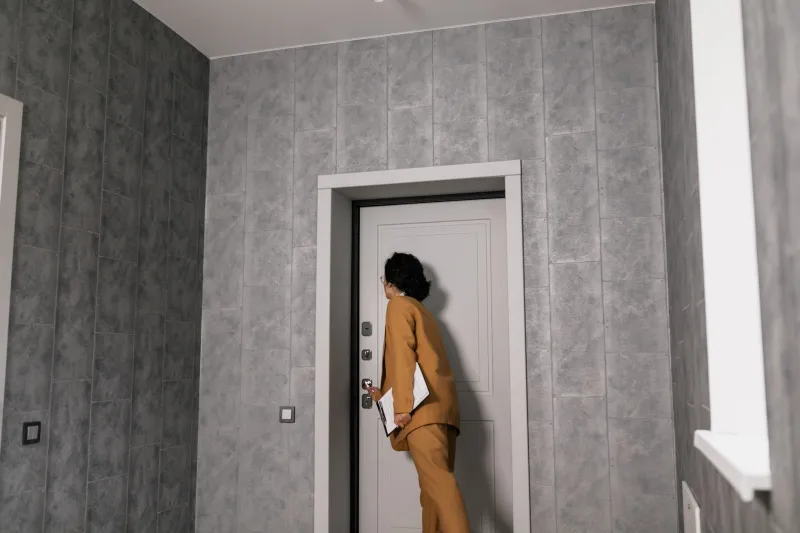
When a valuer pulls up outside, most sellers start worrying about the kitchen. Fair enough. But a patio door is one of those quiet features that can generate a surprising number of notes on a mortgage report. It is a large opening in the building envelope, a security point, a thermal weak spot if it has been poorly specified, and — occasionally — a paperwork question mark. The aim here is not to disguise faults. It is to make a good door legible to someone who is looking at your home for perhaps twenty minutes with a clipboard and a torch.
What the valuer is actually doing at the glass
A mortgage valuation is not a full building survey. The valuer is usually checking that the property is reasonable security for the lender: is it habitable, saleable, and free from obvious defects that could affect value? A HomeBuyer or Building Survey goes deeper, but the same broad principles apply. Patio doors attract attention because they combine structure, glazing, drainage and access in one place. If the threshold looks damp, the glass is misted, or the door does not lock cleanly, it will be noted. That does not automatically mean a down-valuation, but it can mean questions, retention, or a request for further reports.
The threshold tells a story before you say a word
Surveyors look down as much as up. A patio door threshold has to shed water away from the house, especially on exposed UK elevations. Clear leaves and grit from the track and any drainage channel before the visit. Check that the door drains as intended and that there is no standing water against the frame. If you have a flush or level threshold, make sure the drainage detail is visible rather than hidden under a mat or a build-up of patio grime. A damp patch on the internal floor near the door is exactly the sort of thing that gets photographed. Do not cover it with a rug and hope for the best; either fix the cause or be ready to explain it.
Glass, frames and the faint mist that gives the game away
Failed double-glazing seals show up as misting or condensation between the panes. A valuer may not test the glass with a moisture meter, but they will notice a foggy unit. If a sealed unit has gone, get it replaced or get a quote before the survey so you can show you have a plan. Look at the frames too: cracks, soft timber, corroded hardware or gaps in the sealant are all visible. If your doors have thermal breaks in the frame — the bits that stop the cold outside travelling straight through the metal — that is a genuine plus, but you do not need to deliver a physics lecture. Just keep the warranty and specification paperwork together.
Paperwork is part of the door
This is the bit sellers forget. If the patio door was installed as a replacement, there should normally be evidence of competent installation, such as a FENSA or CERTASS certificate, or a Building Regulations completion certificate where required. If the door formed part of an extension or a new opening, the paperwork matters even more. A missing certificate is not necessarily a disaster, but it can slow a sale while solicitors ask questions. Dig out what you have now: installation invoice, guarantee, glazing specification, building control sign-off. Put it in a folder. If you cannot find it, ask your installer or local authority before the surveyor asks you.
Locks, hinges and the insurance question
Security hardware is another area where a small detail can prompt a large question. Check that the door locks properly, that keys turn without a wrestle, and that handles and hinges are secure. Multi-point locking and key-operated handles are reassuring; so is laminated or toughened glass where it is required. If you have added a restrictor or an alarm sensor, make sure it is not fouling the mechanism. Do not bolt on shiny new hardware to distract from a weak locking system. Surveyors and insurers are looking for a door that works as a complete unit, not a collection of accessories.
A pre-survey patio door checklist
Before the appointment, clear access to both sides of the door. Clean the glass and the tracks, but do not hide defects. Open and close the door several times and note anything that catches, scrapes or fails to latch. Check the threshold for water, the seals for cracks, and the glass for misting. Locate your FENSA or CERTASS certificate, guarantee and any Building Regulations paperwork. Test the lock and make sure keys are available. If something is broken, get a repair quote or book the repair — a documented plan is better than a vague promise. Finally, leave the door accessible. A valuer who has to climb over a bike, a barbecue and three bags of compost is not seeing your patio door at its best.
Fix, disclose, or leave alone?
Some jobs are worth doing before a valuation: replacing a misted sealed unit, adjusting a stiff door, renewing perished seals, clearing a blocked drainage channel. Others are bigger — a rotten timber sill, a non-compliant glass unit, or an opening that never had building control involvement. In those cases, do not try to conceal the issue. Get advice, get quotes, and disclose what you know. A surveyor values the property, not your receipts, but evidence of sensible maintenance and proper documentation helps the door read as a saleable asset rather than a pending problem.
In 2026, buyers and lenders are still sensitive to energy performance and water ingress, and a patio door sits right at the intersection of both. You do not need a perfect door. You need a door that is weathertight, secure, properly installed and honestly presented. Clear the threshold, find the paperwork, sort the small faults, and let the valuer see a well-specified part of the house doing its job.